






For years, artificial intelligence (AI) and the Internet of Things (IoT) were seen as technologies reserved for large enterprises with deep pockets and dedicated R&D teams. Today, that perception has changed dramatically. Falling sensor costs, cloud-based AI platforms, and subscription-driven software models have made AI and IoT accessible—even practical—for small and medium enterprises (SMEs). Together, AI and IoT are enabling smart operations that improve efficiency, reduce costs, and enhance decision-making without requiring massive capital investments.
Why AI and IoT Matter for SMEs
IoT refers to connected devices—sensors, machines, meters, cameras—that collect real-time data from physical environments. AI transforms this raw data into insights by detecting patterns, predicting outcomes, and recommending actions. For SMEs, this combination means moving from reactive operations to predictive and proactive management.
Unlike traditional automation, which follows predefined rules, AI-driven IoT systems learn and adapt over time. This allows SMEs to optimize processes continuously, even with limited human intervention. The result is better utilization of resources, reduced downtime, and improved service quality.
Affordable Use Cases with High Impact
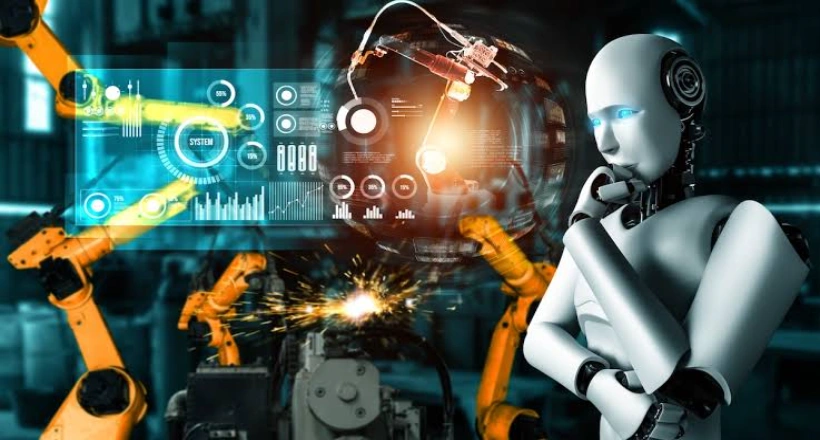
One of the most compelling aspects of AI + IoT for SMEs is the wide range of low-cost, high-return use cases. In manufacturing, IoT sensors installed on machines can monitor vibration, temperature, and energy consumption. AI models analyze this data to predict equipment failures before they occur, enabling preventive maintenance. This reduces unplanned downtime—a major cost drain for small manufacturers.
In retail, smart shelves and connected point-of-sale systems provide real-time inventory data. AI algorithms forecast demand patterns, helping SMEs avoid overstocking or stockouts. For logistics and warehousing SMEs, GPS-enabled IoT devices combined with AI-powered route optimization can cut fuel costs and improve delivery timelines.
Even service-based SMEs benefit. Facilities management companies use IoT sensors to monitor energy usage, air quality, and occupancy. AI-driven analytics then optimize energy consumption, lowering utility bills while supporting sustainability goals.
Cloud and Subscription Models Lower the Entry Barrier
A key reason AI and IoT adoption has become feasible for SMEs is the shift toward cloud-based platforms. Instead of investing in expensive on-premise infrastructure, SMEs can use pay-as-you-go services from major cloud providers and specialized vendors. Many platforms offer pre-built AI models, dashboards, and IoT device management tools that require minimal technical expertise.
Low-code and no-code interfaces further reduce complexity. SME teams can configure workflows, alerts, and reports without writing extensive code. This democratization of technology allows business leaders to focus on outcomes rather than implementation details.
Data-Driven Decisions Without Data Science Teams
Traditionally, extracting value from data required skilled data scientists—an expensive resource for most SMEs. AI-powered IoT platforms now automate much of this work. Embedded analytics, anomaly detection, and predictive insights are delivered through intuitive dashboards and mobile apps.
For example, an SME owner can receive alerts when energy usage spikes abnormally or when a machine shows early signs of wear. These insights support faster, evidence-based decisions and reduce reliance on intuition alone.
Security, Privacy, and Governance Considerations
While AI and IoT offer significant benefits, SMEs must address cybersecurity and data protection from the outset. Connected devices expand the attack surface, making basic security practices essential. This includes strong authentication, regular firmware updates, network segmentation, and encryption of data in transit and at rest.
From a governance perspective, SMEs should define clear ownership of data, ensure compliance with applicable data protection laws, and maintain transparency in AI-driven decisions—especially when they impact customers or employees. Fortunately, many modern platforms embed security and compliance features by design, reducing the burden on small teams.
A Phased Approach to Adoption
Successful SME adoption of AI and IoT does not require a “big bang” transformation. A phased approach works best. Start with a single, high-impact use case aligned with business goals—such as reducing downtime or optimizing inventory. Pilot the solution, measure ROI, and scale gradually.
Training employees to trust and use AI-driven insights is equally important. Change management and basic digital literacy often matter more than the technology itself.
The Road Ahead for SMEs
AI and IoT are no longer luxury technologies. They are becoming foundational tools for competitive, resilient, and future-ready SMEs. As platforms mature and costs continue to decline, SMEs that embrace smart operations today will be better positioned to compete with larger enterprises tomorrow.
For SMEs, the real advantage lies not in spending big, but in thinking smart. AI + IoT make that possible—on a budget.